Particulars
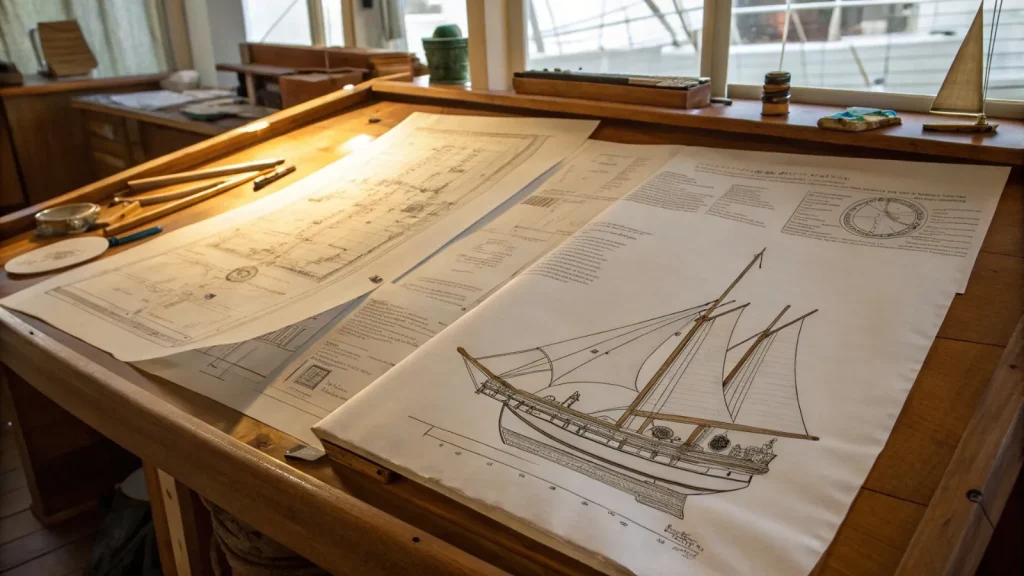
A first read on feasible yards and realistic windows.
Bali Shipyard
A yard-coordination desk for Bali. We survey the boat, write the scope a yard can price, place the work with the independent yard or contractor best suited to it, and supervise it until handover. Quotations are issued in USD.
Bali yards only. New-build construction and vessel sale sit with other desks in the group and are contracted separately — if an enquiry is really a construction enquiry, we route it rather than reshape it.
Written and maintained by the Bali Shipyard Build Desk · last reviewed 19 August 2026
The hold point after pressure washing — the moment a scope is either confirmed or rewritten.
Loaded draft. Not brochure draft, not draft when the tanks were empty. Sending these four in the first message removes half the candidate facilities immediately.
Nothing is stored or submitted here. The button only assembles the four figures into a WhatsApp message you can edit before sending.
Bali is one of the busiest working coastlines in Indonesia. The problem is rarely a shortage of capability — it is that capability is scattered across separate hardstands, slipways and workshops with different lift limits, different draft on approach, and different levels of documentation.
Independent of every facility described. Work is placed where the job fits, not where a commission sits.
| Stage | What happens | What you receive |
|---|---|---|
| 1. Particulars | LOA, beam, draft, displacement, hull material, propulsion, and the work list as you see it. | A first read on feasible yards and realistic windows. |
| 2. Survey | Attendance on board or in the water; photographs, moisture readings, thickness readings where relevant. | A condition note that separates must-do from should-do. |
| 3. Scope | The work list is written into priced items with hold points. | A written scope and a USD estimate. |
| 4. Placement | Yard or contractor is selected against lift capacity, draft, and trade availability. | Confirmed slot, lift plan, and access arrangements. |
| 5. Execution | Supervision on the hardstand, variation control, photo record per stage. | Progress reporting against the scope. |
| 6. Handover | Re-launch, systems check, sea trial where the scope calls for it. | A closing file with photographs and completed items. |
Table scrolls sideways on a phone.
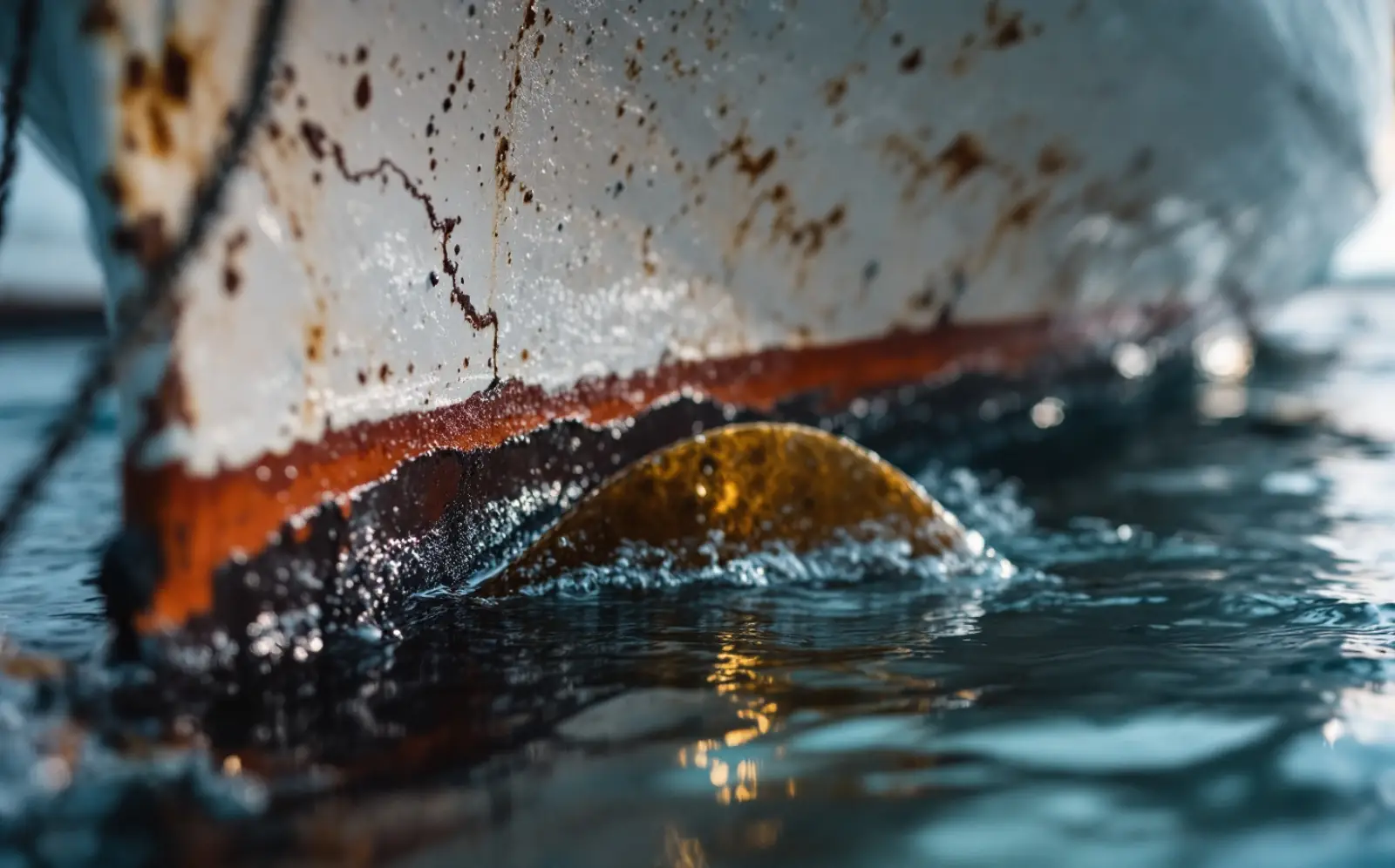
Hold point after pressure wash. Work stops, the hull is read wet, and the scope is either confirmed or rewritten before anything is coated over. It is the most valuable inspection gate in the whole calendar.
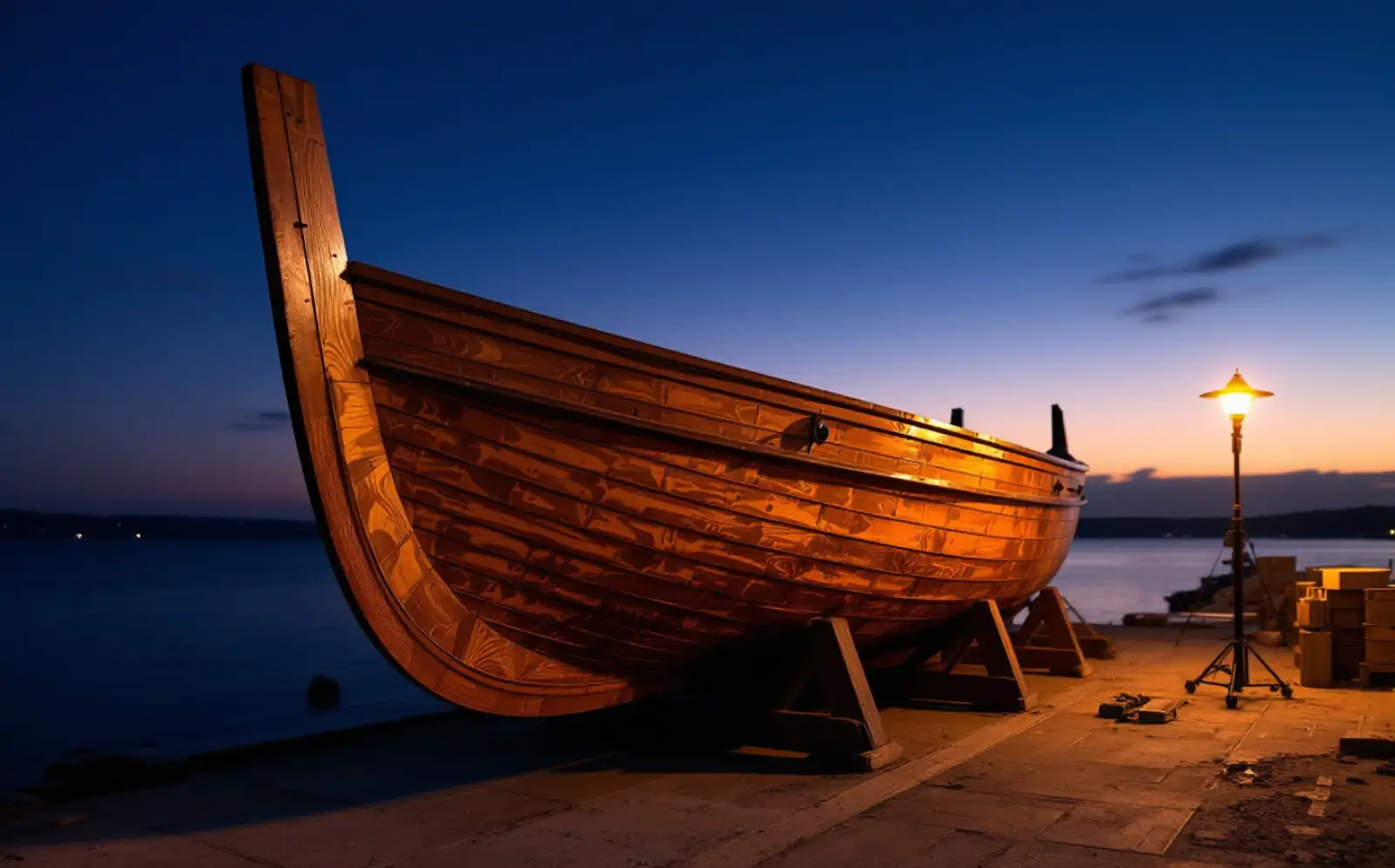
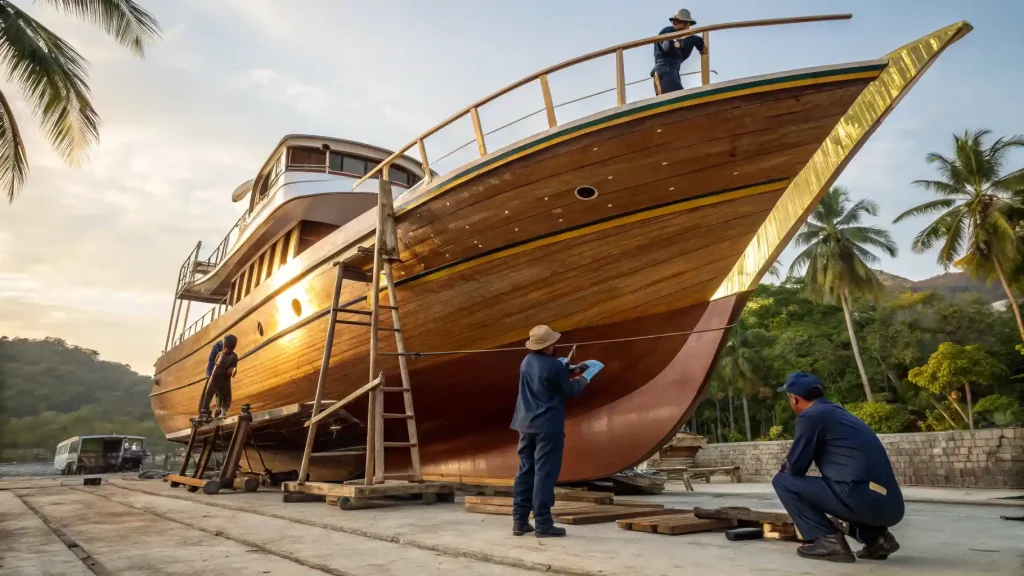
A hull carried on badly placed blocks develops hard spots and, on long stays in tropical heat, can take a permanent set. Blocks belong under bulkheads, floors and structural members. Side stands are there to stop the boat falling over, not to carry weight, and they need re-checking after the hull settles.
Full capability guide — lift, support, trade, coating, lead time
| Hull material | Support sensitivity | Watch for |
|---|---|---|
| GRP | High on long stays | Print-through and hard spots over unsupported panel. |
| Steel | Moderate | Point loading on plating between frames; corrosion under blocks. |
| Aluminium | Moderate to high | Galvanic contact with blocking materials and yard steel. |
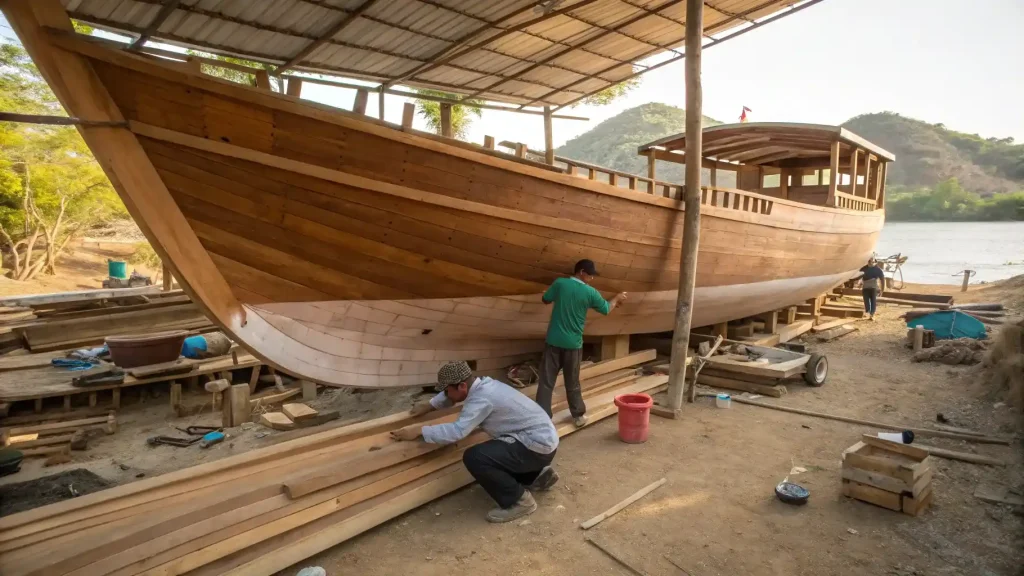
| Timber | High | Drying and seam opening; cradle fit along the full length. |
| Ferrocement | High | Concentrated loads; limited repair trade availability. |
Bali’s boat work concentrates on the south coast, with the Benoa harbour precinct as the main commercial and marine-services hub and Serangan as the second working cluster. This is a capability orientation, not an endorsement.
| Facility type | Typically suits | Verify first |
|---|---|---|
| Main harbour precinct | Complex jobs needing several trades at once. | Channel depth, berth availability, lift capacity. |
| Secondary working cluster | Small craft, dive and day boats, timber work. | Approach draft and tidal window. |
| Independent hardstand | Lay-up, antifoul, single-trade jobs. | Ground bearing, blocking, security, access hours. |
| Slipway / railway | Heavy displacement and long-keel hulls. | Cradle fit and rail approach depth. |

All Bali boat yard locations, and the ten questions worth asking any facility before you commit
Coating is where tropical yards lose the most time, because the constraints are environmental rather than human. Paint systems have humidity and surface-temperature windows, overcoat windows, and cure schedules that do not compress.
Build the programme around the coating windows and everything else fits; build it around the joinery and the paint will be rushed.

Relative, not measured: surface temperature climbs past the coating maximum by mid-morning, and dew point margin closes the evening. Wet-season work stays viable with containment and a written weather-day allowance.
A portfolio that names boats and quotes figures usually means somebody’s confidentiality was traded for marketing. These are written so the engineering is useful and the client is not identifiable.
Lesson. The hold point after pressure washing is the most valuable inspection gate in the whole calendar. Painting over a soft area buys one season and costs three.
Lesson. Repairing visible damage before proving the source dry is the most common way to pay for the same job twice.
Lesson. On a repower the yard time is short and the procurement time is long. Booking the yard first and ordering later is the standard way to lose a season.
Lesson. Timber work should be scoped in stages with an honest allowance, not as a fixed-price fiction.
Lesson. On a paint job, the paint owns the programme. Every other trade schedules around it.

What we publish instead is the capability guide, which tells you what actually constrains a job, and the project portfolio, which shows the shape of work this desk handles.
Bali Shipyard is a specialist maritime brand under Juara Holding Group, operating since 2015. Quotations and accounts on this desk are issued in USD.
Shoreside logistics, crew movements and provisioning in Bali can be arranged through Bali vessel concierge support.
The full FAQ — scope, yards, timing, cost, insurance and records
Even a rough work list is enough to start. If the boat is already damaged, send photographs and the position — stabilise first, scope later. You get a written scope and a USD estimate before anything is booked.
WhatsApp is fastest for anything urgent, including damage and grounding. Email suits scope documents, drawings and survey reports. Full checklist on the contact page.