Bali Boat Yard Locations
Bali's boat work concentrates on the south coast, with Benoa harbour as the main commercial and marine-services hub and Serangan as the second working cluster. Smaller hardstands, slipways and workshops sit around them. Which one suits a vessel is decided by draft on approach, lift capacity and the trades a job actually needs.
This page is a capability orientation, not an endorsement. Bali Shipyard is independent of the facilities described and places work where the job fits, not where a commission sits.
Benoa harbour precinct
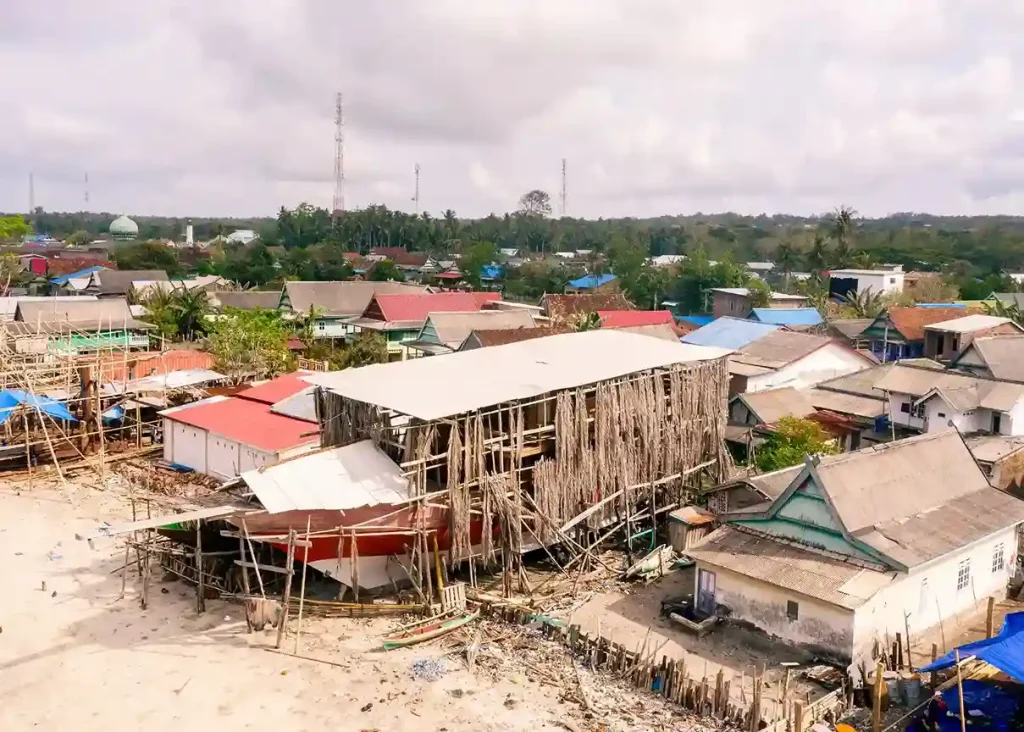
Benoa is Bali's principal harbour and the centre of gravity for marine services on the island. It carries commercial traffic, cruise calls, fishing fleets, charter and dive operators, and the marine trades that support them. For a vessel needing repair, the practical advantage is density: fabrication, marine electrical, refrigeration, engine service, chandlery and freight clearance are all within a short radius, which shortens the "waiting for a specialist" portion of any job.
The constraints to check before assuming Benoa works are approach depth in the channel at the relevant tide state, berth availability during peak commercial periods, and whether the specific lift you need is inside the precinct or a run away from it. Detail on the precinct and what operators should verify is in the Benoa shipyard area guide.
Serangan
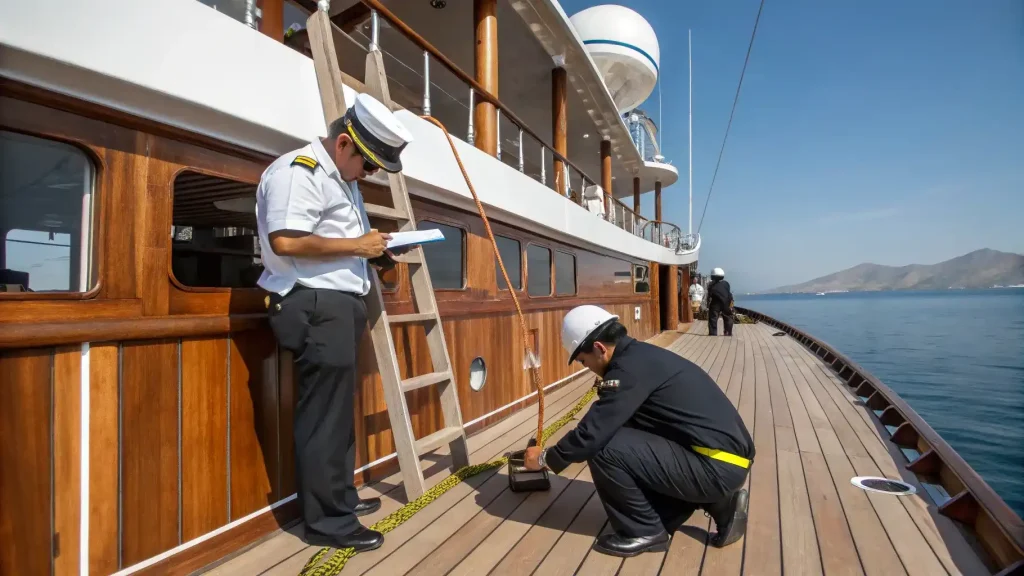
Serangan, on the island immediately south-east of Benoa, is the second working cluster and is heavily used by dive boats, day boats, fast boats and traditional craft. It has a strong practical trade base — timber, GRP and outboard work in particular — and it is where a great deal of Bali's small-craft maintenance actually gets done.
Draft is the thing to verify. The approach and inner areas around Serangan are shallow in places and tide-dependent, which rules out some deeper-draft vessels or restricts them to a tidal window. Access and draft considerations are set out in Serangan boat yard access and draft.
Smaller yards, slipways and hardstands
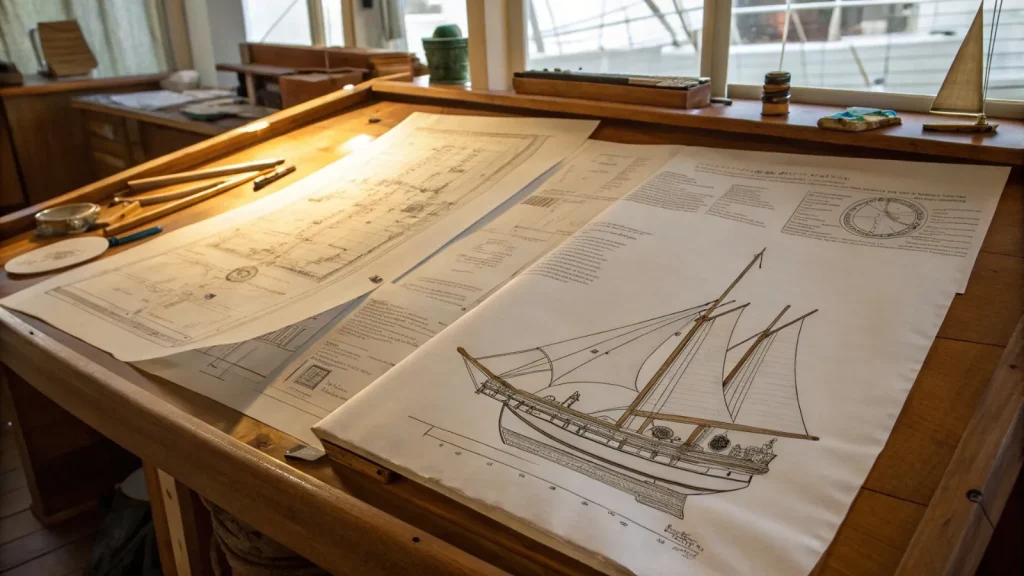
Beyond the two clusters there are smaller facilities and independent hardstands around the south and east coasts, plus slipways used mainly by traditional and commercial craft. These matter for three reasons: they can cost less for straightforward lay-up, they sometimes have a slot when the main facilities are full, and some of them handle heavy or long-keeled hulls better than a travel lift can. What they usually lack is the surrounding trade density, which means parts and specialists have to travel.
| Facility type | Typically suits | Verify first |
|---|---|---|
| Main harbour precinct | Complex jobs needing several trades at once. | Channel depth, berth availability, lift capacity. |
| Secondary working cluster | Small craft, dive and day boats, timber work. | Approach draft and tidal window. |
| Independent hardstand | Lay-up, antifoul, single-trade jobs. | Ground bearing, blocking, security, access hours. |
| Slipway / railway | Heavy displacement and long-keel hulls. | Cradle fit and rail approach depth. |
Loaded draft. Not brochure draft, not draft when the tanks were empty. Sending an accurate loaded draft in the first message removes half the candidate facilities immediately and saves a week of theoretical planning.
Choosing between them
The selection logic we apply, in order:
- Can the boat physically get there and be lifted? Draft, beam, weight, lifting points. This is binary and it comes first.
- Does the facility support the work? Hot work permissions, spray or containment capability, power and compressed air, hardstand time available.
- Are the trades local? A yard without the specialist you need is a yard where your boat waits.
- Is the slot real? A booking that depends on another vessel launching on time is not a booking; we build tolerance in.
- What happens if the scope grows? Discovery is normal. A facility that cannot absorb three extra weeks is the wrong facility for a refit.

Moving a boat between yards
Sometimes the right answer is that the boat starts in one place and finishes in another — lifted where the lift exists, finished where the trade exists. That is a planned move with its own permissions, crewing and insurance considerations, not an afterthought. It is covered in moving a vessel between Bali yards.
Bali Shipyard is a coordination desk, not a yard owner. We survey the vessel, write the scope, place the work with an independent yard or contractor that suits the job, and supervise it to handover. Quotations are issued in USD. Contracts for construction, repair, refit and vessel sale are issued by PT Komodo Galangan Nusantara.
For the underlying equipment limits behind all of this — lift capacities, coating constraints and what a hardstand can and cannot do — see the shipyard capability guide, and for how a lift itself is planned, Bali haul out and dry dock.
Questions worth asking any facility before you commit
- What is the controlling depth on the approach at the tide state I would arrive on?
- What is the maximum weight and beam the lift can take, with margin?
- Is the slot firm, and what happens if the boat ahead of me overstays?
- How long may I occupy the hardstand, and on what basis is overstay charged?
- Is hot work permitted, and what fire-watch arrangement applies?
- May crew remain aboard while the vessel is ashore?
- How is coating waste and antifoul residue disposed of, and is that costed?
- Can I bring my own contractors in, and what notice is needed?
- What are access hours and what security exists overnight?
- What documentation will I receive at the end of the job?
A facility that answers these without hesitation is telling you a great deal about how the rest of the job will run.